Medical Lasers
Urology
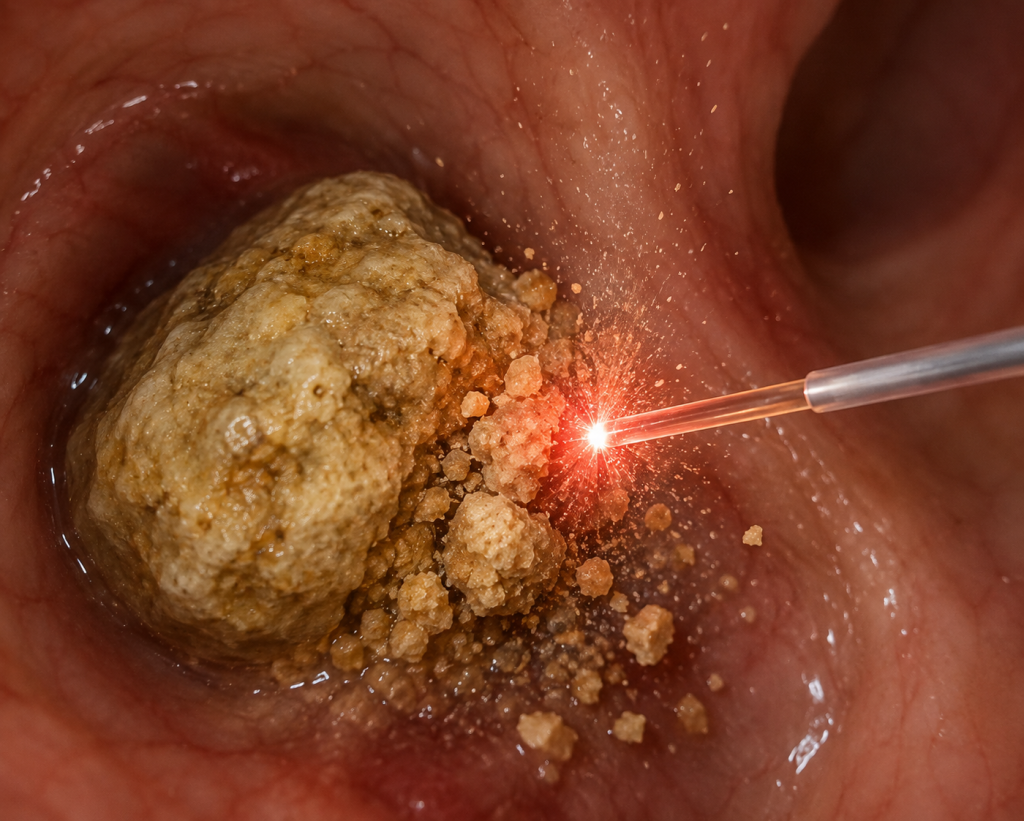
For some medical applications, high peak power and high energy per pulse laser emission in the 2.1 µm spectral region is required. One of the most common applications for solid state lasers is urology- specifically lithotripsy. Usually, flashlamp pumped Ho:YAG resonators are used for economic reasons and these lasers are operated with an output energy of up to 4 J with a pulse duration of 250 – 800 µs and a repetition rate of about 10 – 20 Hz. Ho:YAG lasers are also commonly used for Benign Prostatic Hyperplasia (BPH) by using a precise laser pulse to remove the obstructive tissue with minimal bleeding.
For more information see 2 micron lasers
Cosmetology
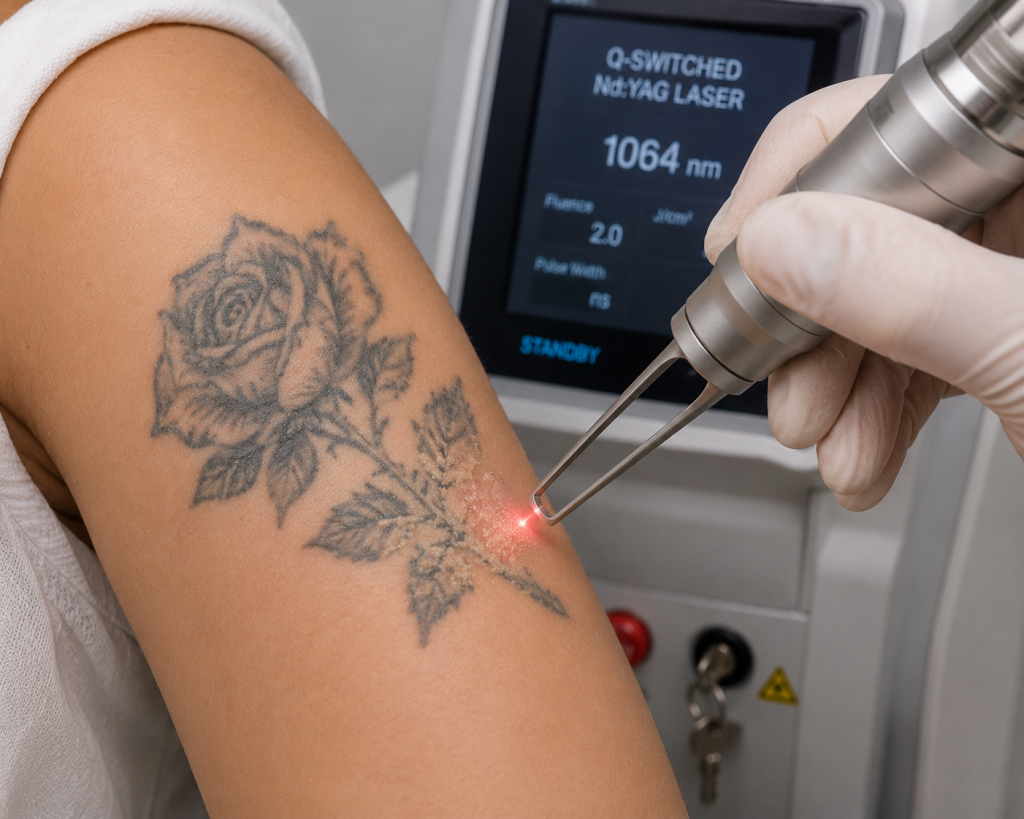
Many MegaWatt Lasers are used for cosmetic procedures. Some solid state laser wavelengths, such as Er:YAG, may be desired for the surface absorption of energy and can be used for procedures such as wrinkle removal. Other common procedures use Nd:YAG which penetrates much deeper into the dermis and can be used for tattoo removal or laser hair removal devices. Additional procedures include skin resurfacing or photo dynamic therapy.
For more information see 1 micron lasers or see 3 micron lasers
Dermatology
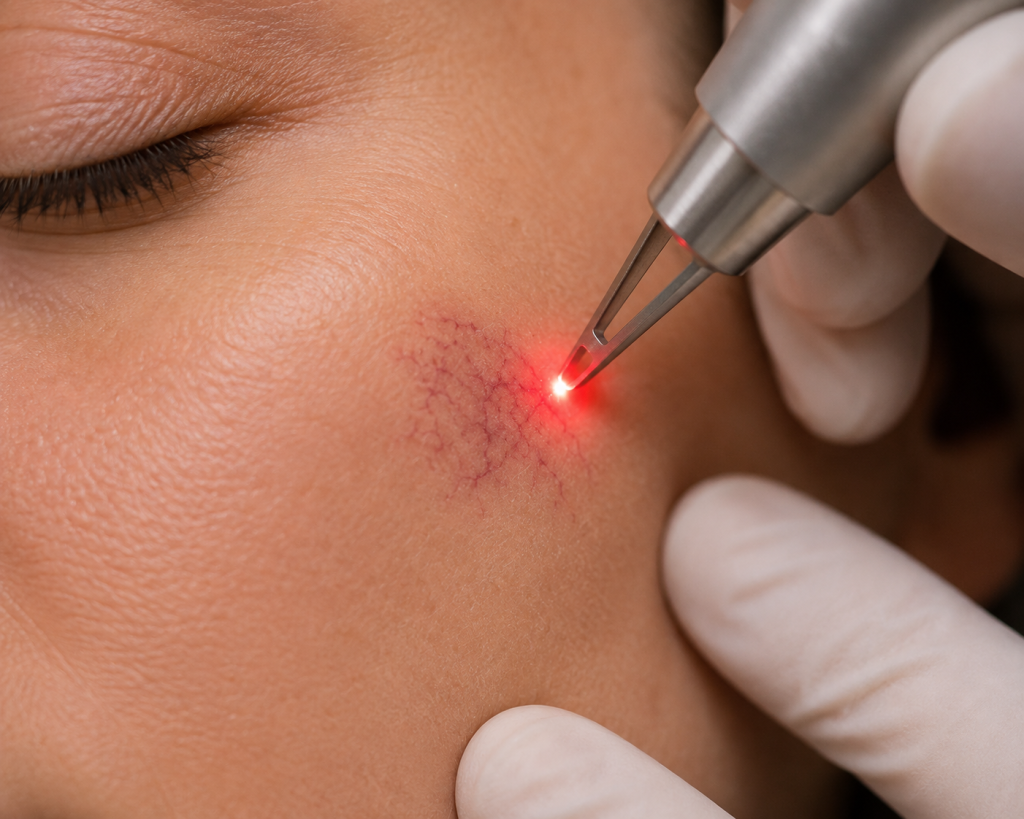
For dermatology lasers, both high energy and high peak power are essential for the proper skin penetration depth. Dermatological lasers can be very dependent on skin pigmentation as well as the desired depth. At MegaWatt Lasers, we have lasers ranging from microjoule to tens of joules in output energy. One area in the field of dermatology is for vascular lesions. Nd:YAG lasers are often used for deep, thick blue or leg vessels with typical long pulse settings of 10-50 ms, 100-130 J/cm². Nd:YAG lasers are frequency doubled to 532 nm and are used for bright red superficial vessels and cherry angiomas with output parameters 10-50 ms, 8-15 J/cm². Another area our lasers have been used is for podiatry..
For more information see 1 micron lasers
Dentistry
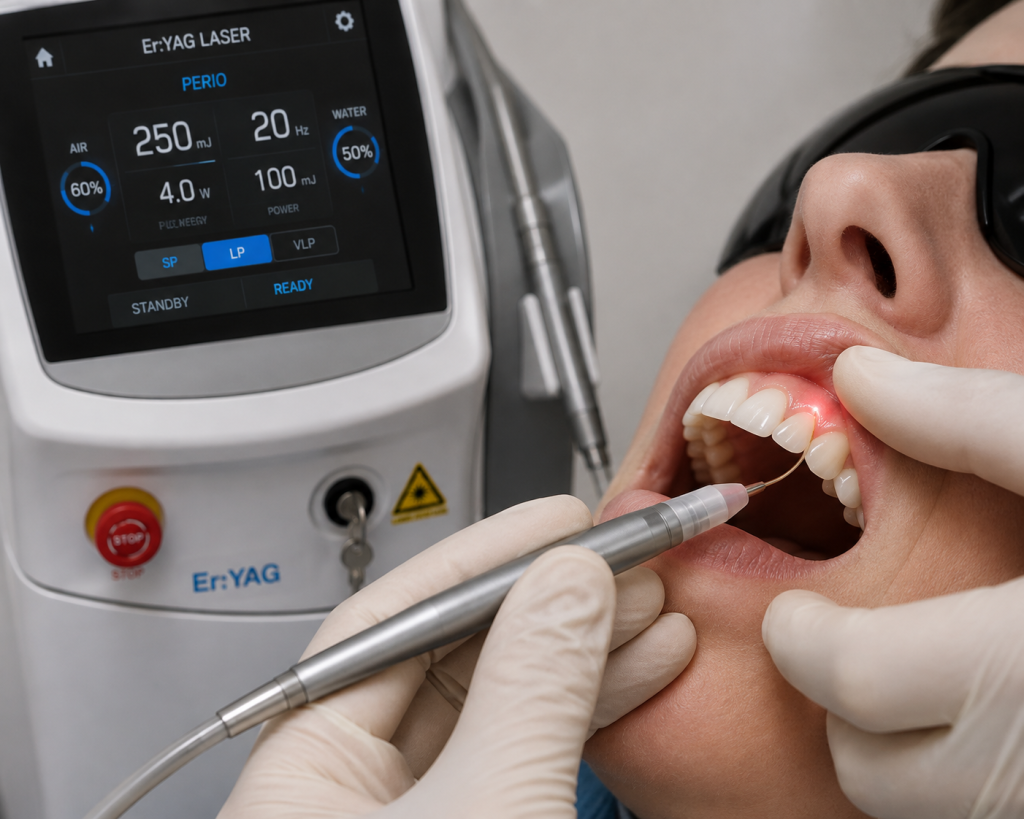
Flashlamp pumped solid state lasers are used in dentistry by delivering short, high energy pulses of light. Most commonly used is Er:YAG (2.94 µm), which has a wavelength that is strongly absorbed in water and hydroxyapatite, but other wavelengths around 3 microns may be used. This makes it ideal for removing hard dental tissues such as enamel, dentin, and carious material as well as for some soft tissue periodontal procedures. Using Er:YAG lasers allows for controlled ablation with limited thermal penetration. Common procedures include general dentistry, endodontics, and sterilization.
For more information see 3 micron lasers
Ophtamology
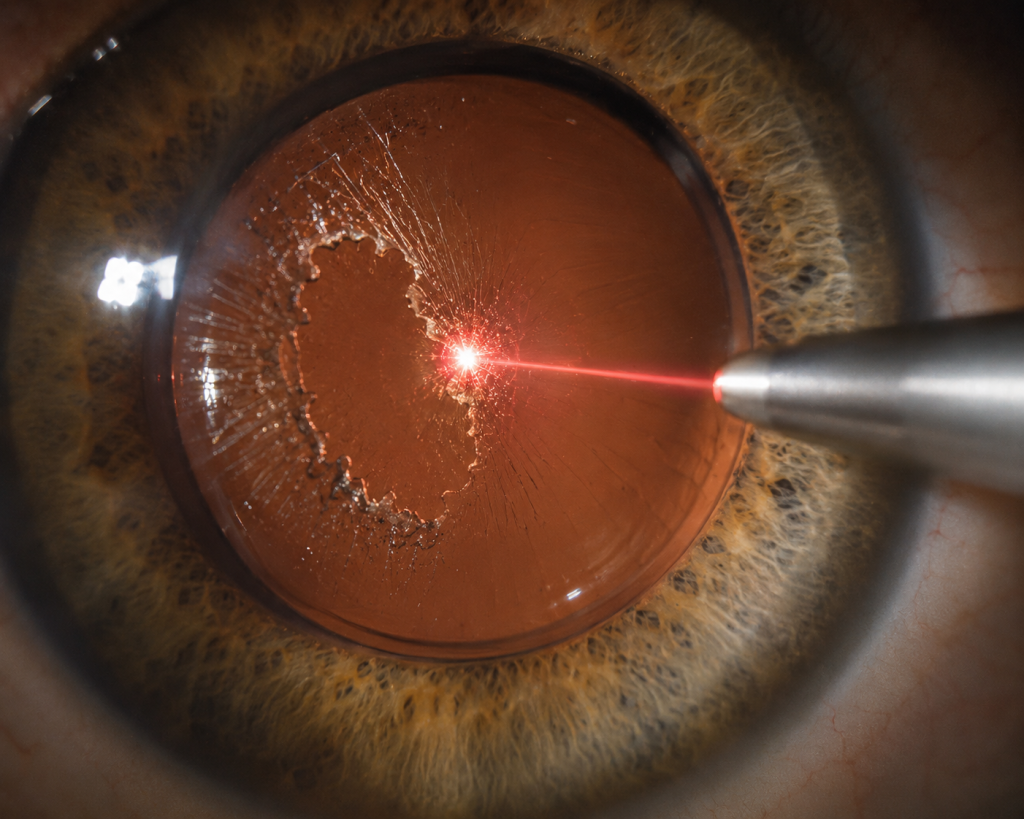
MegaWatt Lasers has created many lasers designed for eye surgery. Flashlamp pumped Nd:YAG can be Q-switched to achieve nanosecond pulses at 1064 nm. The short pulse means that the tissue heating is minimized. The tightly focused beam creates a small shockwave that disrupts the transparent ocular tissue. The most common procedures are posterior capsulotomy and laser peripheral iridotomy (managing angle-closure glaucoma). Flashlamp pumped Nd:YAG lasers are beneficial in this area due to the low cost. Custom diode pumped Nd:YAG options can also be discussed for future applications. Other procedures include radial thermal keratomtomy and photorefractive keratectomy.
For more information see 1 micron lasers
Cardiology
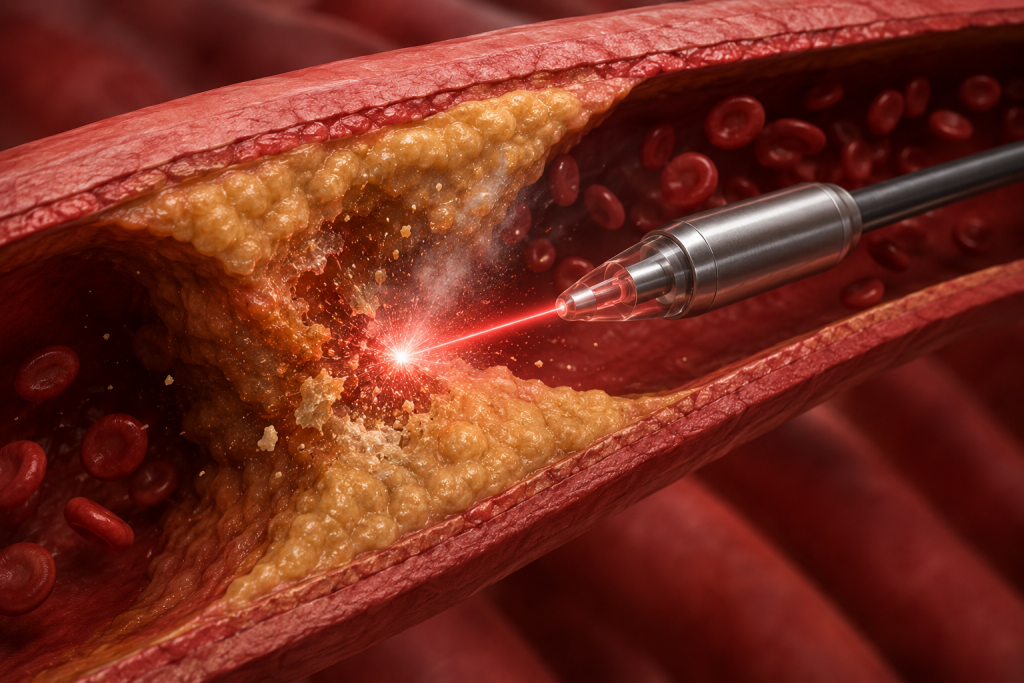
Flashlamp pumped lasers are of benefit for high energy and short pulsed lasers for removing tissue. Nd:YAG has been used for laser angioplasty for removing atherosclerotic plaque and reopening narrowed or obstructed blood vessels.
Solid-state lasers have also been explored for transmyocardial laser revascularization (TMLR), in which laser energy creates channels in myocardial tissue, although this approach is now much less prominent.
For more information see 1 micron lasers